
Beyond Aluminum: Why Fiberglass is the Future of Commercial Window Walls and Curtain Walls
Design Without Compromise: Achieving Large Openings and Net-Zero Performance
In modern commercial architecture, glass is more than just a material; it is the defining feature of the skyline. From towering high-rises to sprawling institutional campuses, the demand for expansive views and natural light is non-negotiable.
For decades, architects and developers have been forced to choose between the structural utility of aluminum and the energy efficiency required by increasingly strict building codes. Today, that trade-off is obsolete.
At SILEX, we believe in Design Without Compromise. Whether your project calls for a window wall or a curtain wall system, fibreglass offers a structural and thermal advantage that traditional aluminum simply cannot match.
The “Thermal Bridge” Problem
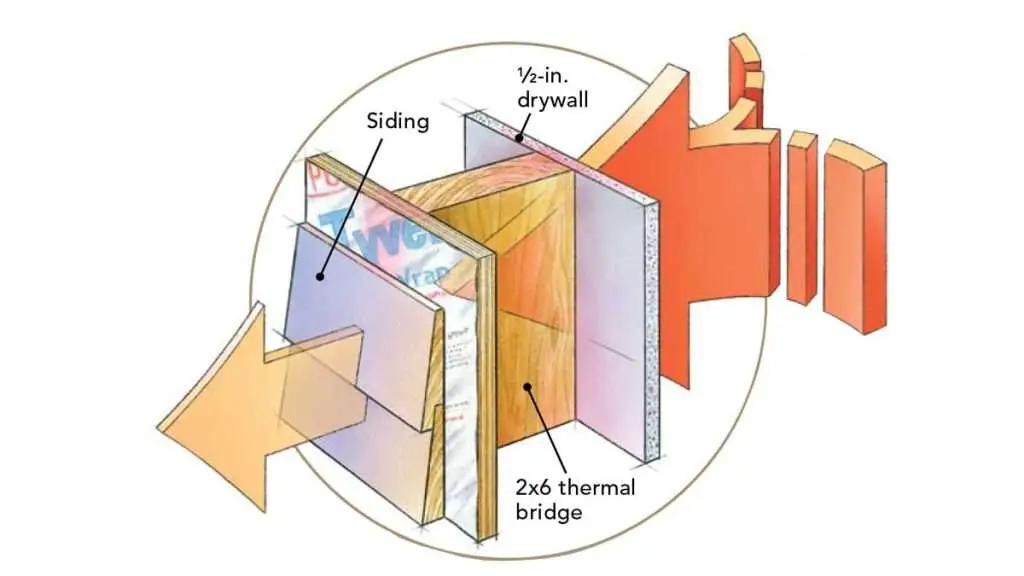
It is a well-known axiom in building science that “A building is only as efficient as its weakest junction.” In commercial glazing, that weak link has historically been the aluminum frame. According to Fine Homebuilding, Thermal bridging occurs when a material that is more conductive than the surrounding insulation creates a path for heat to easily flow from the warm interior to the cold exterior (or vice-versa). This effectively “bridges” the insulated layer, reducing the overall energy efficiency of the wall, roof, or floor assembly.
Aluminum is a conductor. In winter, it acts as a highway for heat to escape your building; in summer, it invites the heat in. Even with expensive thermal breaks, aluminum frames struggle to meet the demands of the new Net Zero and Step Code requirements without massive upgrades to triple glazing.
The Fiberglass Advantage:
500x Less Conductive: Fiberglass is virtually non-conductive. The frame is the thermal break.
Dimensional Stability: Fiberglass expands and contracts at the same rate as glass. This means the seals in a Silex window are not pulled apart by temperature swings, ensuring airtight performance for decades.
Industry Insight: “The frame is often the thermal bridge. By switching to a non-conductive material like fiberglass, you effectively eliminate the primary path of heat loss without changing the glass package.” — Building Envelope Science Principle
Window Wall vs. Curtain Wall: The Smart Choice
A common debate in commercial tendering is the choice between curtain wall windows (hanging off the building) and window walls (sitting between slabs).
While curtain walls have traditionally been the go-to for high-rises, they are expensive and complex to install. Window walls are cost-effective and offer better sound isolation between floors, but architects often fear they look “bulky.”
Silex changes this dynamic. Our VisionPlus fiberglass profiles are roughly 8x stronger than vinyl and rival aluminum’s structural integrity. This allows us to engineer large window & door openings using fibreglass with razor-thin sightlines. You get the sleek, continuous look of a curtain wall with the cost efficiency and ease of installation of a window wall.
Future-Proof Your Build
As energy codes tighten, the “business as usual” approach with aluminum is becoming a liability. Investing in high-performance fibreglass now protects the building owner from costly retrofits later.
Ready to redesign your building envelope? Stop compromising between aesthetics and efficiency. Contact SILEX to see how our fibreglass systems can support your next commercial project.