Skip to content

SILEX Fiberglass Windows & Doors

National Building Code 2020 Changes

    Combustible Window Frames in Noncombustible Construction: What Canada’s Code Change Means

    For decades, Canada’s building code placed strict limits on combustible window frames used in buildings required to be of noncombustible construction.

    These restrictions affected the size, spacing and placement of windows. They also limited the design flexibility available to architects and developers considering materials such as wood, vinyl and fiberglass.

    The 2020 National Building Code of Canada introduced an important change. It removed several older restrictions and created new opportunities for combustible window frames in noncombustible buildings.

    However, the change does not automatically approve every window product or assembly. Understanding the new language is essential when selecting windows for a commercial or multi-storey project.

    What is a combustible window frame?

    Before we talk about high-tech solar panels or smart home automation, we must talk about the building envelope—the “fabric” of your home. The single most important step in building green is to prioritize insulation and airtightness.

    A high-performance envelope reduces the energy needed to heat or cool the home by up to 90%. In Canada’s varied climate, this is essential.

      1. Continuous Insulation: Move beyond standard “fluffy” insulation inside the wall studs. Continuous exterior insulation, made of materials like stone wool or rigid foam, eliminates “thermal bridges.” These are spots where heat bypasses insulation (like wood studs or steel beams), a major source of energy loss in traditional homes.

      2. Airtightness: This isn’t just about stopping drafts; it’s about controlling moisture and energy flow. High-performance air barriers and membranes are critical. As of 2026, tiered building codes often require rigorous “blower door tests” to measure how airtight a home is.

    This “fabric-first” method means you are building a home that needs less energy in the first place, rather than buying larger, more expensive heating systems to warm a leaky house.

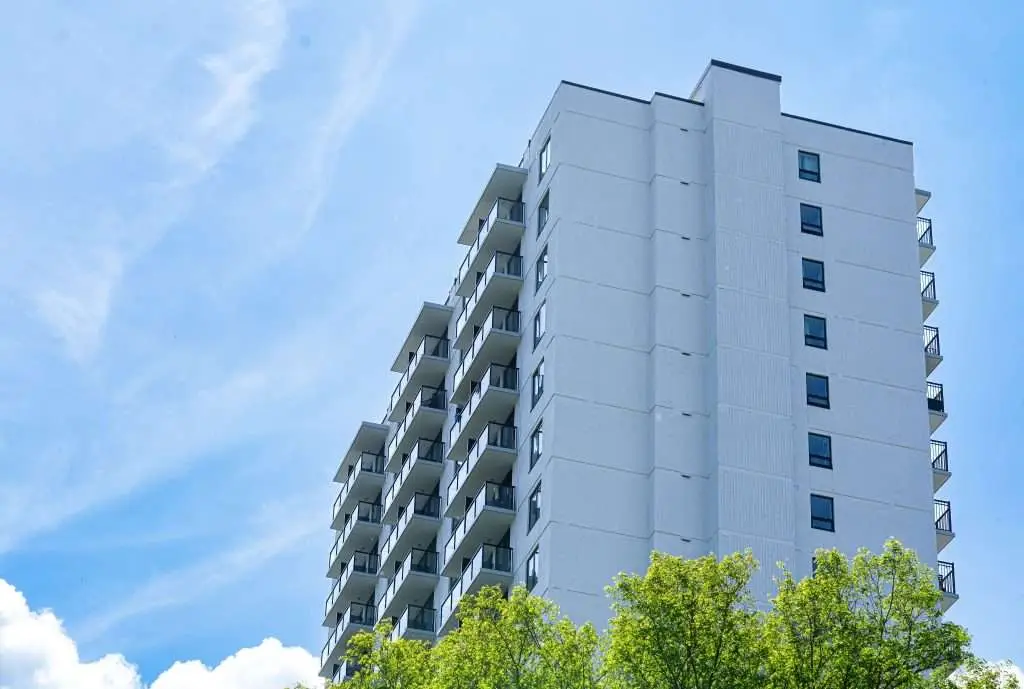
    Close-up architectural detail of commercial window seals and pultruded fiberglass framing on a multi-family building envelope upgrade in BC.
    Fiberglass windows installed in a noncombustible commercial building following National Building Code of Canada requirements

    Changes Outlined in the National Building Code 2020 Update

    Fiberglass windows have been successfully used in projects across Europe and North America for decades. However, older sections of Canadian building codes limited their domestic use in buildings required to be of noncombustible construction.

    To help address these restrictions, a group of Canadian window manufacturers and industry stakeholders partnered with the National Research Council of Canada to study the fire performance of combustible window frames.

    The research included full-scale testing under CAN/ULC-S134, the standard method used to evaluate the fire performance of exterior wall assemblies. The results showed that fiberglass, composite and vinyl window systems could satisfy the applicable test requirements.

    This research helped support changes to the National Building Code of Canada concerning combustible window frames in noncombustible construction.

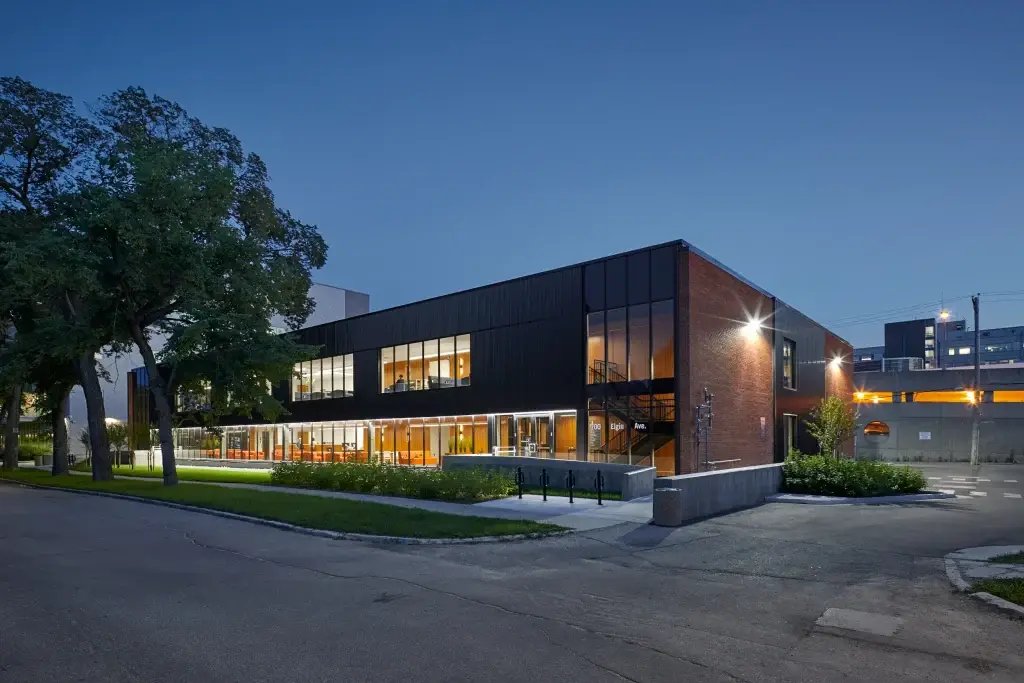
    Night Time exterior of the Ambulatory Care Clinic at Health Sciences Centre in Winnipeg
    Fiberglass window frames separated between storeys in a multi-storey building

    Previous Language in NBC 3.1.5.4.(5)

    The previous language permitted combustible window sashes and frames in buildings required to be of noncombustible construction, provided that:

    a) Each window in an exterior wall face was an individual unit separated from every other opening by noncombustible wall construction.

    b) Windows in exterior walls in contiguous storeys were separated by at least one metre of noncombustible construction.

    c) The total area of openings in the exterior wall face of a fire compartment did not exceed 40% of the wall area.

    These requirements limited the size, spacing and arrangement of combustible window frames. They could make it difficult to use fiberglass, composite or vinyl windows in designs with larger or more closely spaced openings.

    New Language in the NBC 2020 Update

    Sentence 3.1.5.4.(5) was simplified in the 2020 National Building Code:

    “Combustible window sashes and frames are permitted in a building required to be of noncombustible construction, provided they are vertically non-contiguous between storeys.”

    The updated language removes the former limits on window separation and the total area of openings. The main condition is that combustible framing cannot remain vertically continuous from one storey to the next.

    This change gives architects and developers more flexibility to consider fiberglass and other combustible window-frame materials. It does not, however, automatically approve every product or configuration. The complete window and wall assembly must still comply with the code adopted in the project’s jurisdiction.

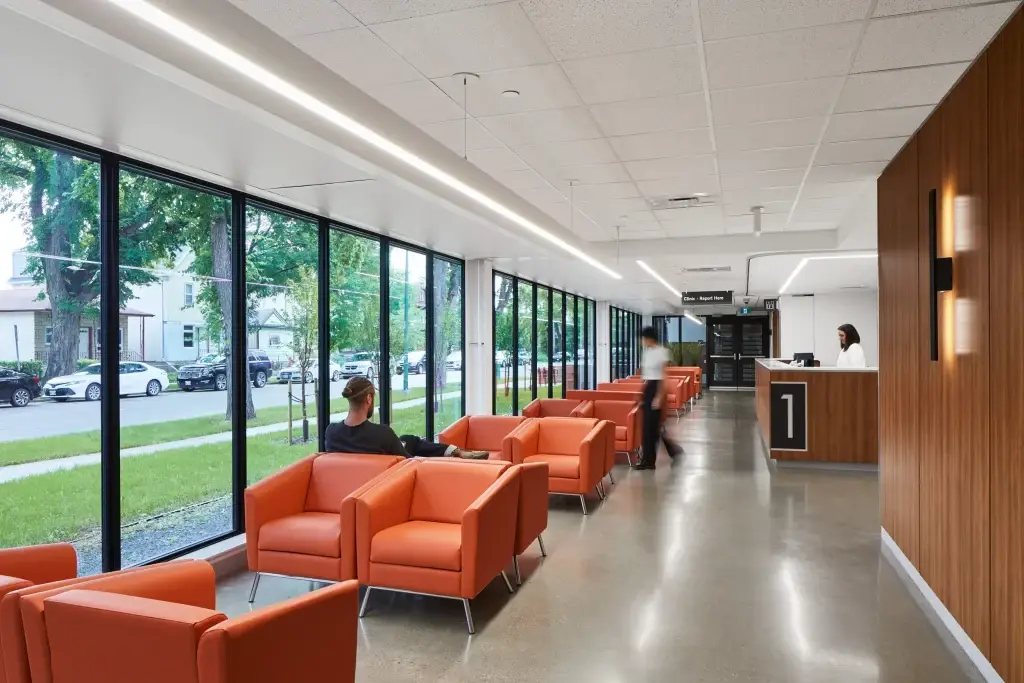
    Interior with sofa of the Ambulatory Care Clinic at Health Sciences Centre in Winnipeg
    Full-scale CAN/ULC-S134 fire testing of combustible window frames and exterior wall assemblies
    Latest Articles & Insignts

    Experience the difference of high-performance windows and doors for both residential and commercial spaces. From cozy home renovations to modern commercial buildings, SILEX delivers exceptional quality, style, and service.